Batteries & Banks
Battery condition testing, starting and house banks, replacement and correct fitment.
Marine Electrical
12V and 24V fault diagnosis, testing and repair across your vessel's electrical systems.
Batteries, charging, starting and the circuits that tie them together — on 12V and 24V systems.
Battery condition testing, starting and house banks, replacement and correct fitment.
Charging voltage and output, alternators, rectifiers and charging-circuit faults.
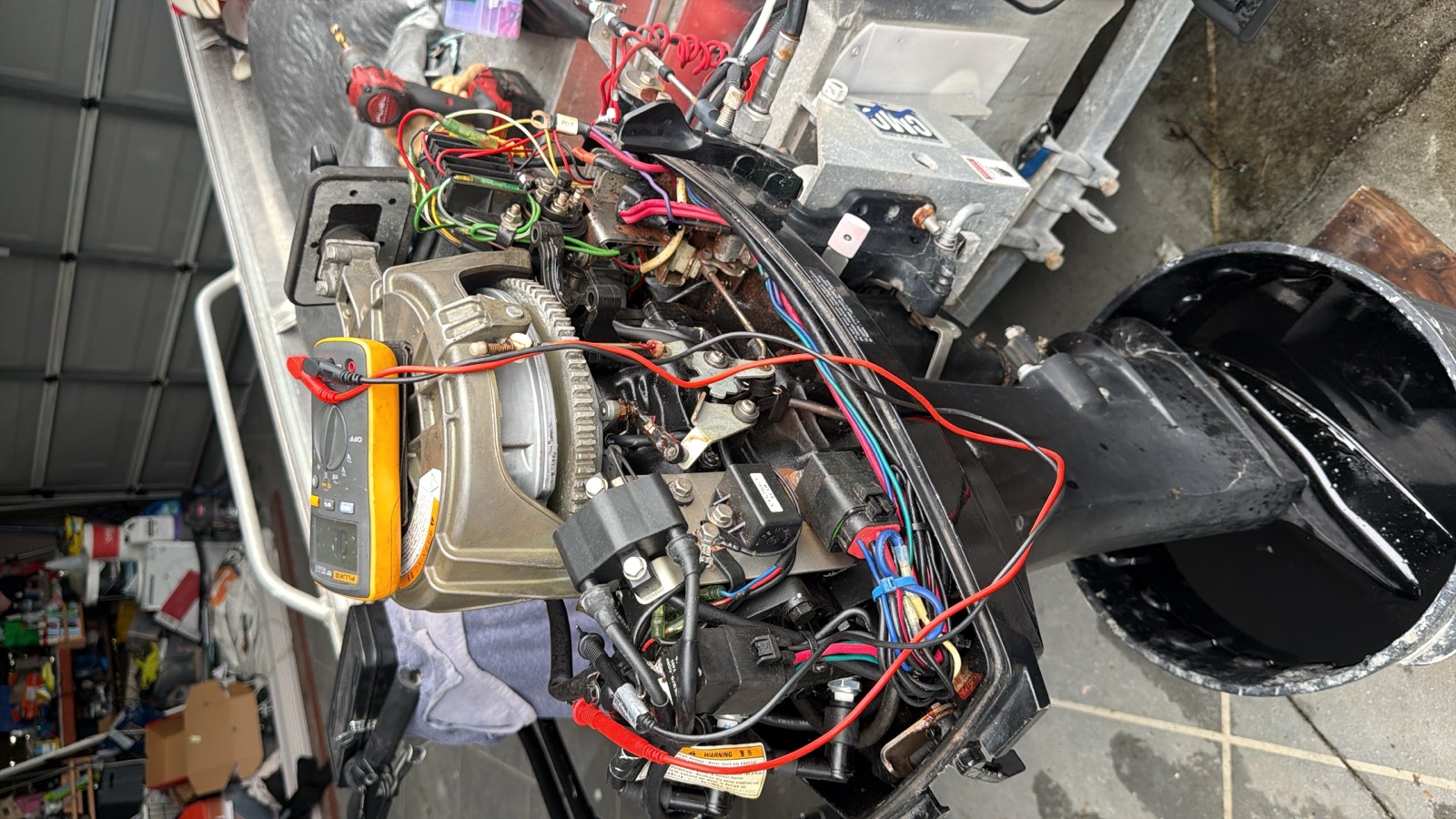
Starter motors, starter circuits, solenoids and no-crank diagnosis.
Battery cables, terminals and lugs, isolators, switches and connections.
Wiring and damaged conductors, switching and relays, DC distribution and circuit protection, controls, gauges and alarms.
Voltage-drop testing, abnormal and parasitic draw, earthing and bad grounds, trim and tilt faults, and fault isolation on 12V and 24V circuits.
You don't need to diagnose it before calling us.
A battery that keeps going flat can be the battery itself, a charging problem, an abnormal current draw, a connection issue or a switching fault. Those are different faults, and a new battery only addresses one of them — fit one without finding the cause and the original problem is still there.
So the job starts with testing. We measure what the batteries are actually doing, what the charging system is putting back, what the vessel draws with everything switched off, and whether current is getting where it should through the cables and switches in between.
Then you get told what the fault is, and what it takes to fix it. A no-crank can sit in the starting, charging or control circuit, or it can be mechanical — Gold Marine assesses both sides, so you don't have to pick the trade before you call.
If you're stranded and the boat won't start, call rather than fill in a form.
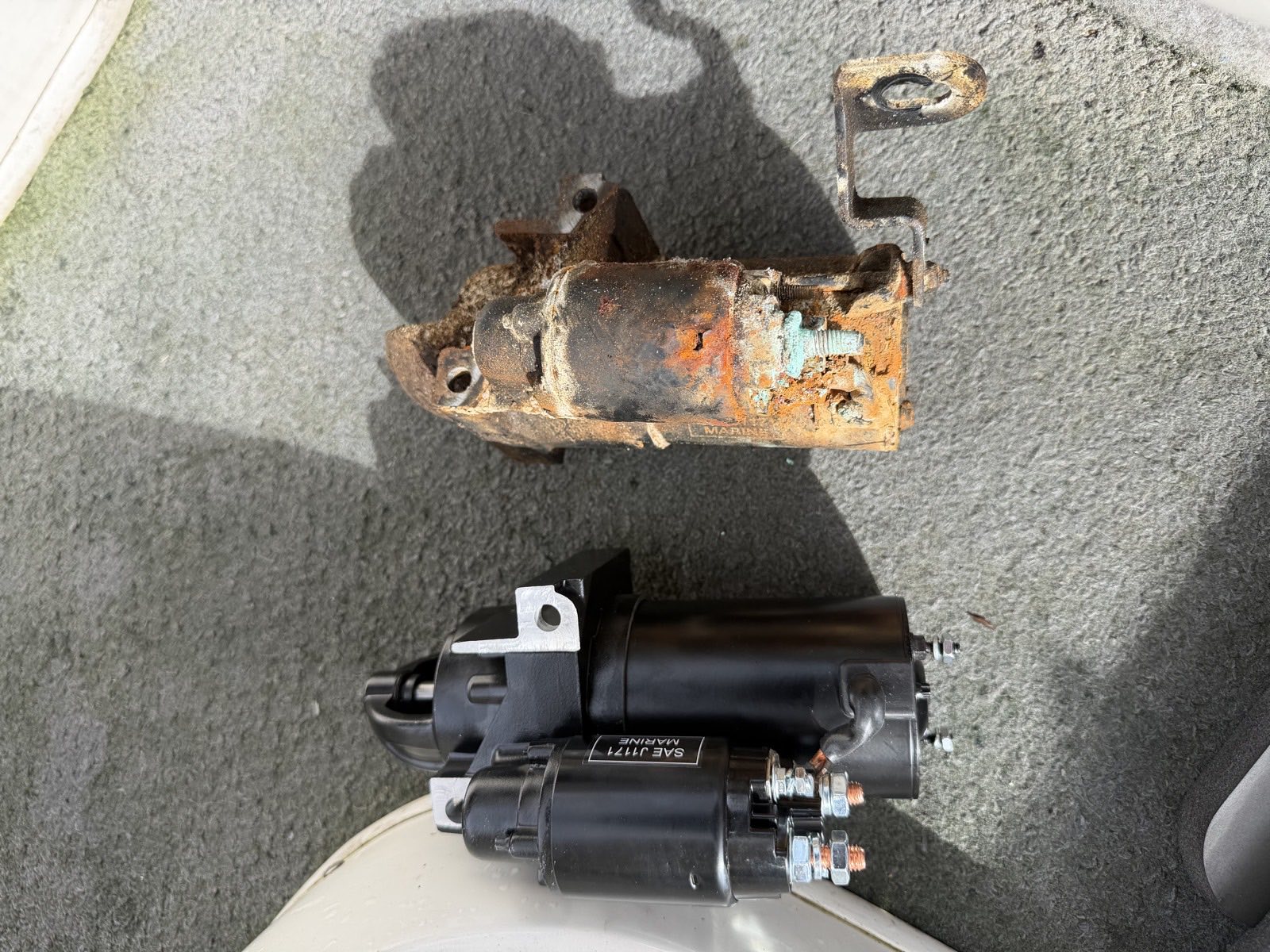
A corroded starter motor removed and replaced.
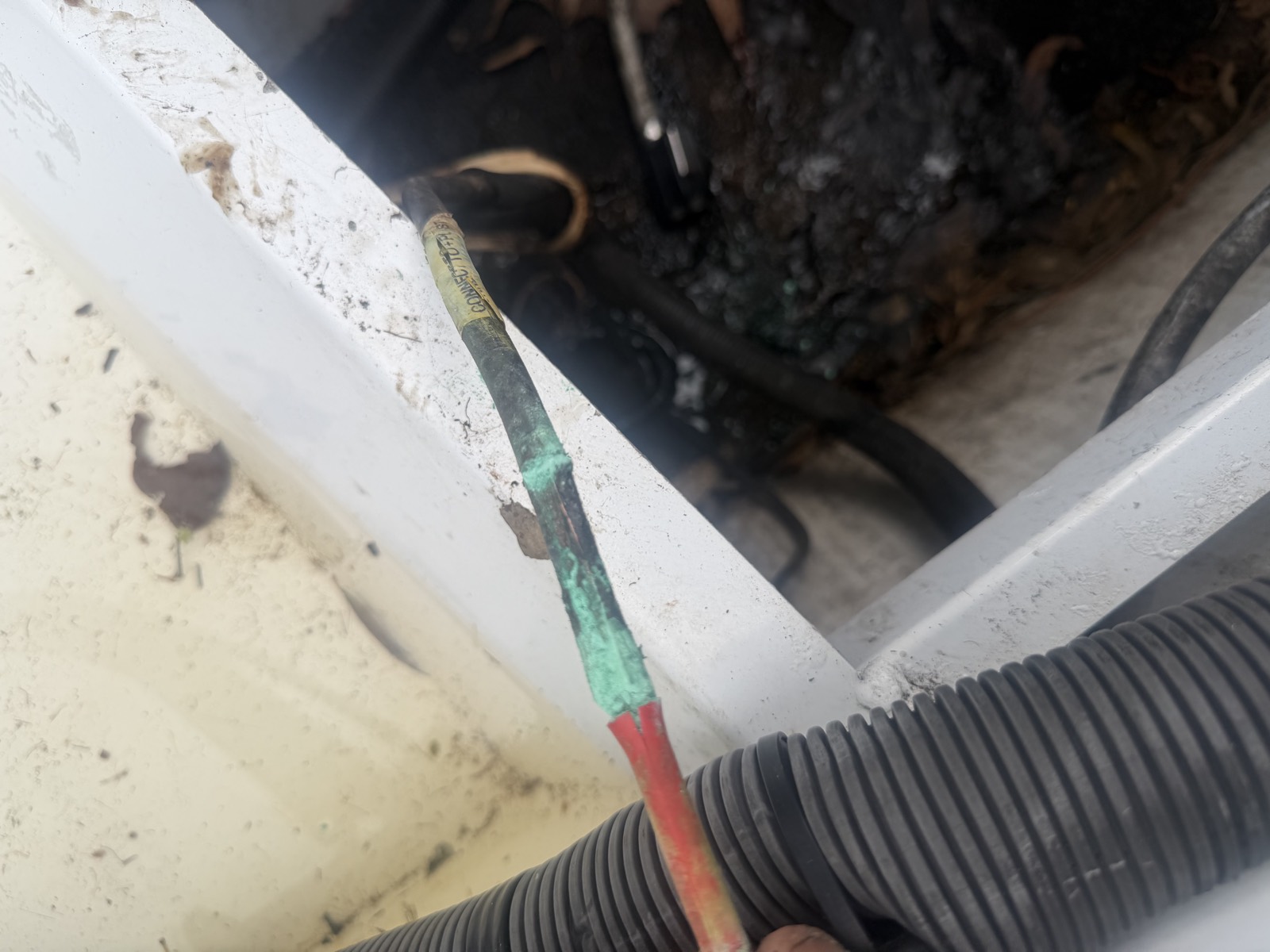
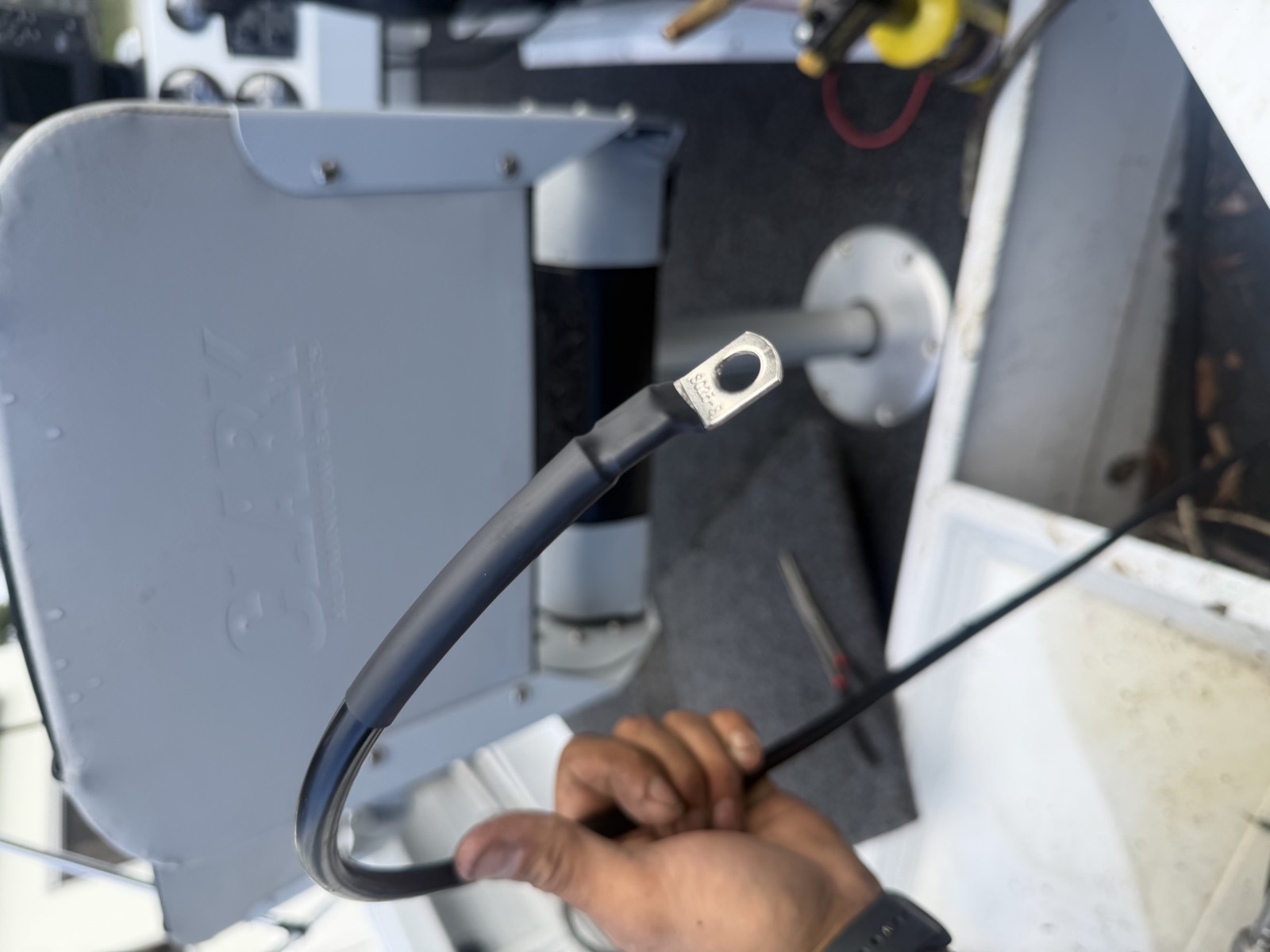
Corroded cable replaced with heavy-gauge cable, crimped and heat-shrunk at the lug.
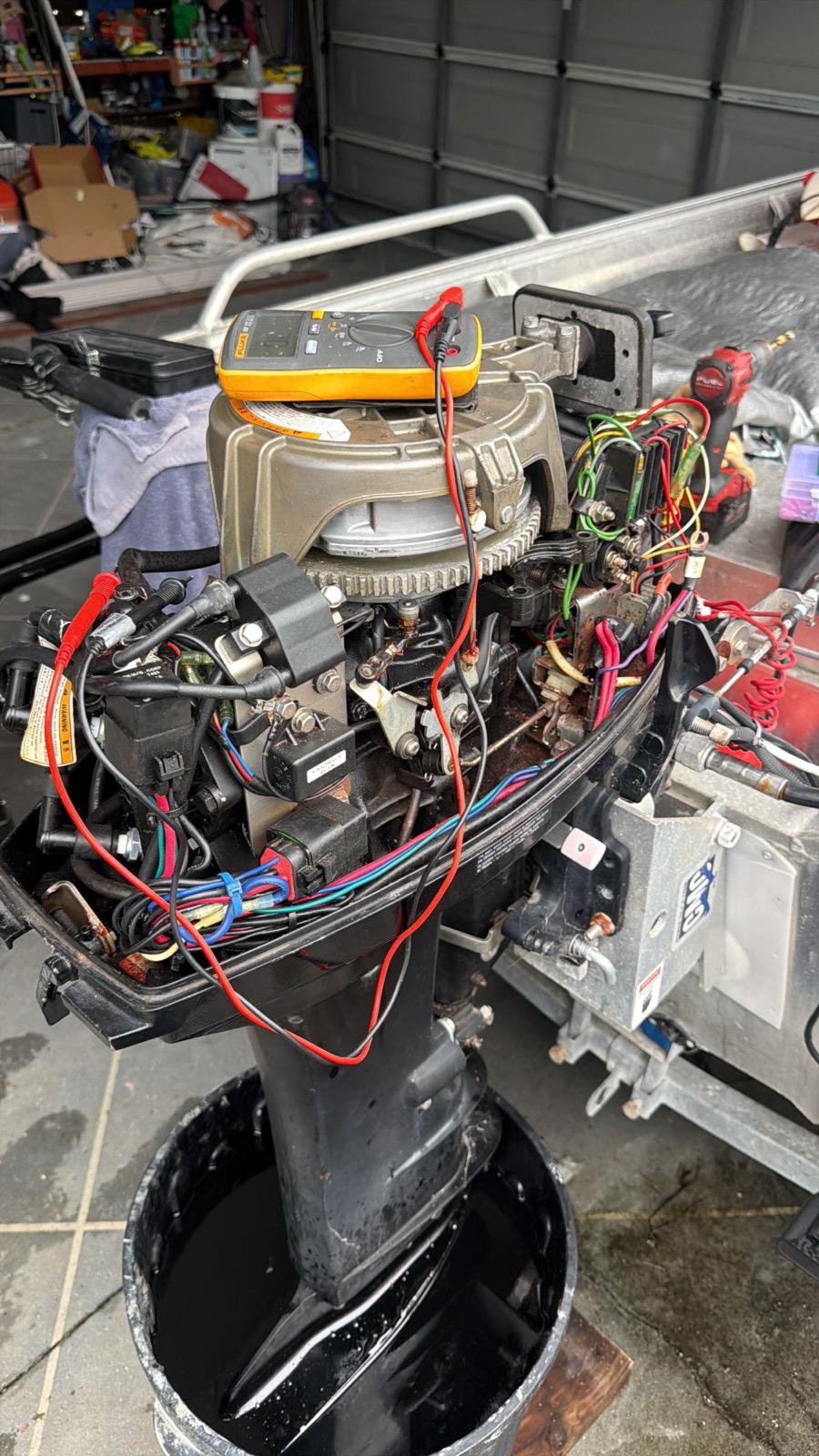
Called out to a no-crank with a completely flat battery. A new battery on its own didn't fix it — testing found a shorted solenoid and high resistance through the starter. The starter was stripped, the brushes, terminals and armature cleaned, and the solenoid replaced.
Tell us the vessel, whether it's 12V or 24V, and what the boat is doing, and we'll come back with a quote and availability.
If you'd rather the whole vessel was tracked and serviced on a schedule rather than fixed one fault at a time, ongoing technical management does that. Vessel Management →